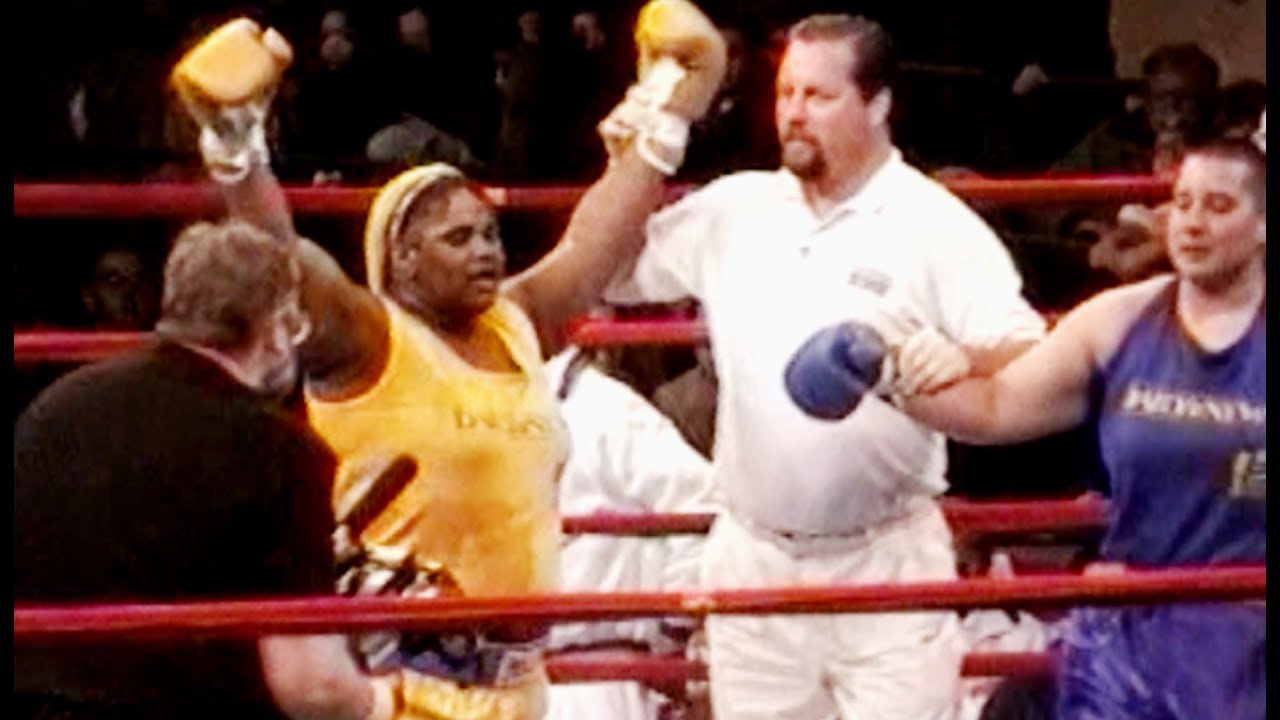

Long before women’s boxing filled arenas and appeared on television, fighters like Andrea DeShong competed in small venues with little recognition.
On March 11, 1989, in the modest fight setting of Wheeling, West Virginia, a young fighter named Andrea DeShong stepped into the ring for the first time as a professional. Her opponent was Angel Horton.
The bout did not last long. DeShong ended matters in the opening round with a knockout victory. It was the sort of quick result that might normally disappear into the dusty margins of boxing ledgers, another brief entry on a small regional card, witnessed by fans and quickly forgotten by the wider boxing public.
But boxing history has a way of turning small moments into meaningful footnotes.
Fighting in the Shadows
To understand the significance of that night, one has to recall where women’s boxing stood in 1989. The sport was still fighting for legitimacy. Opportunities were scarce, purses were modest, and commissions were uneven in their willingness to sanction women’s bouts. Women fought largely in the shadows of the sport.
The late 1980s marked what many historians now describe as a quiet revival period. After earlier waves of female prizefighting in the 1950s and 1970s faded, a small but determined group of fighters began appearing again on regional cards around the United States.
They were pioneers of a sort, fighting simply for the opportunity and because it was their right.
The Christy Martin Connection
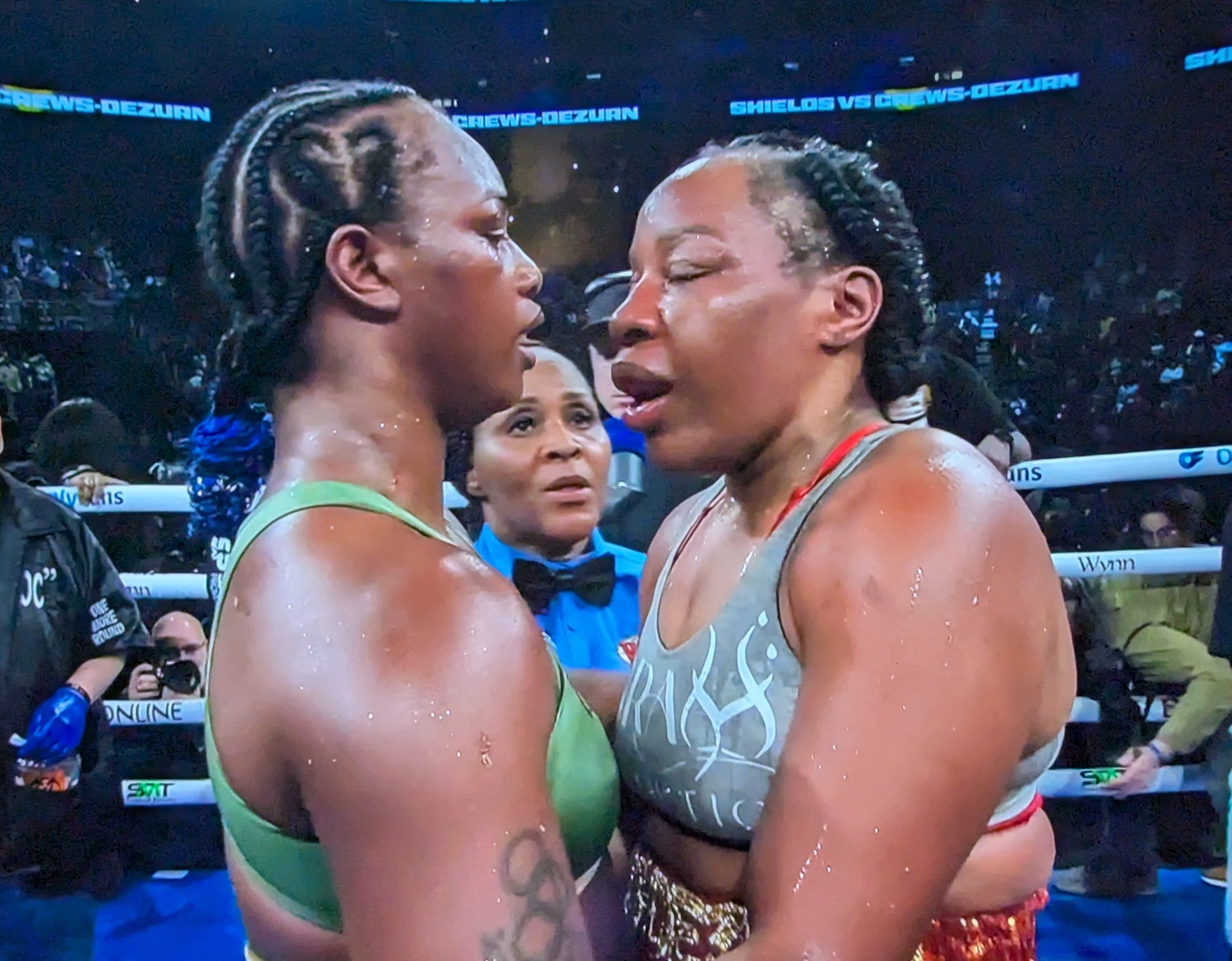
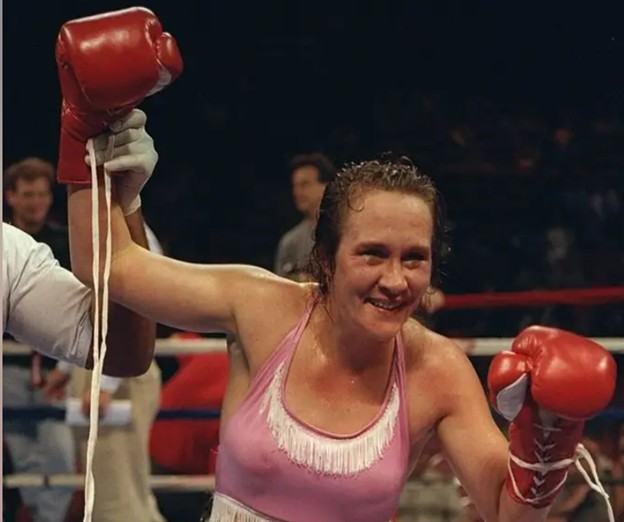
Andrea DeShong would eventually secure a place in women’s boxing lore for another reason: she defeated a young fighter named Christy Martin early in Martin’s career. They met each other on November 4, 1989. It was DeShong’s 6th bout of her pro-career and Martin’s fourth. DeShong won that fight by unanimous decision. The two met for a rematch on April 21, 1990, where Martin scored a split decision victory. The pair fought a third and final time on June 28, 1997 at the MGM Grand in Las Vegas, NV. Martin won by TKO in the 7th round of a scheduled 8.
Martin would later become the most recognizable female boxer of the 1990s, gaining national attention through appearances on major cards promoted by Don King. Her televised bouts helped introduce women’s boxing to audiences who had rarely seen it before.
Because of Martin’s later prominence, historians have often revisited the early portion of her career. And there, sitting quietly in the record books, is the name Andrea DeShong. Such is boxing history.
The Era Before the Spotlight
Women’s boxing would not begin receiving consistent television exposure until several years later in the mid-1990s. The fighters of the late 1980s were operating in a largely unseen world.
Promoters scheduled women’s bouts sporadically. Media coverage was minimal. Most fans outside the immediate venue never knew the fights had taken place. Yet these contests held value. Each fighter and each bout helped keep the sport alive during a period when its future was uncertain.
A Small Entry in the Record Books
Andrea DeShong’s first-round knockout of Angel Horton occurred at a time when every women’s bout carried a certain quiet importance.
The fact that female fighters were willing to step into the ring during those lean years helped pave the way for the later breakthroughs of the 1990s. The emergence of televised fights, the rise of recognizable champions, and the eventual acceptance of women’s boxing on larger stages all rested on a foundation built earlier.
That foundation included nights like the one in Wheeling, West Virginia.
The Quiet Foundations of the Sport
On that March night in 1989, Andrea DeShong scored a quick knockout in a modest venue in Wheeling, West Virginia. There were no television cameras, no national headlines, and little reason to think the bout would carry any lasting significance.
But boxing’s history is built as much on small nights as it is on championship spectacles. Long before women’s boxing reached wider audiences, fighters like Andrea DeShong were already stepping through the ropes, testing themselves in a sport that had yet to fully welcome them.
DeShong’s pro-debut against Angel Horton was part of the quiet groundwork that allowed the sport to move forward one fight, one fighter, one small club show at a time.